Struggling to Breathe During Exercise? Expert Solutions for Asthma Relief
Nov 01, 2026
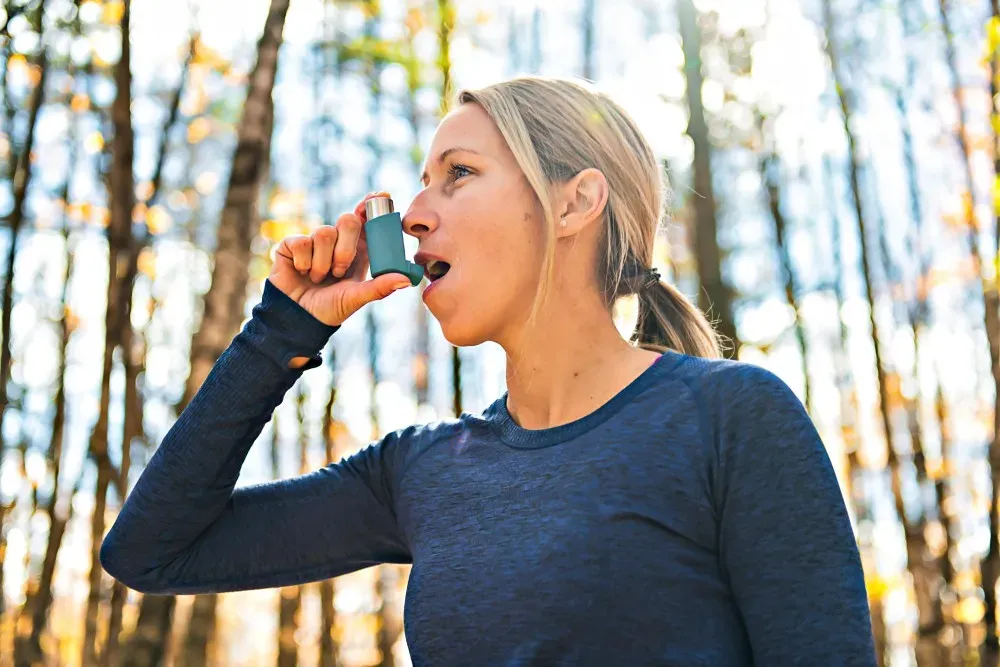
Exercise should leave you feeling energized, not coughing, wheezing, or struggling to catch your breath. If physical activity regularly causes shortness of breath, chest tightness, or coughing, you may have exercise-induced asthma (EIA), now called exercise-induced bronchoconstriction (EIB). You may also need adjustments to your current asthma treatment plan.
At Allergy, Asthma, & Immunology Specialists in Tampa and Brandon, Florida, our experienced team provides comprehensive care for asthma and allergy-related breathing concerns. If you’re struggling to breathe during exercise, we can help find the cause and work on a plan that supports both your lung health and your active lifestyle.
It’s normal to breathe harder during physical activity. Working muscles need more oxygen and produce more carbon dioxide, so your heart and lungs must work harder to keep up. As a result, your breathing naturally becomes faster and deeper.
However, persistent or recurring breathing symptoms during or after exercise may signal a problem beyond normal exertion.
Exercise-induced bronchoconstriction is a temporary narrowing of the airways triggered by exercise. Common symptoms include:
Symptoms often begin during intense activity or shortly after stopping. EIB is caused by airway narrowing and is especially common when rapidly breathing in dry air during exercise.
During intense exercise, you may breathe more through your mouth to take in larger breaths. Your mouth may not warm, or it may not humidify the inhaled air as well as your nose does. This means the air reaching your lungs is dryer and cooler, contributing to airway irritation and narrowing.
You’re more likely to experience EIB symptoms when you exercise in:
Respiratory infections and poorly controlled asthma may also lead to an increase in symptoms during exercise.
It’s not uncommon to experience shortness of breath when you’re new to exercise or increasing your activity level. With consistent training, breathing and endurance usually improve as the cardiovascular and respiratory systems adapt.
But if exercise-related breathing problems continue, worsen, or interfere with activities you enjoy, it’s time to get evaluated. Not every exercise-related shortness of breath is EIB. Uncontrolled asthma, allergies, and heart conditions may also make breathing difficult during activity.
When you come to see us, our team conducts a comprehensive evaluation to better understand the cause of your symptoms, which includes:
Diagnostic testing helps us better understand how your lungs react to exercise so we can get an accurate diagnosis.
Treatment for EIB focuses on preventing symptoms, managing underlying asthma, and helping you exercise with confidence. Personalized treatment plans depend on your diagnosis and underlying conditions and may include:
Avoiding exercise isn’t usually the answer to better breathing with asthma. In fact, exercise should support cardiovascular health, lung function, and asthma management.
If you have EIB, indoor sports or sports that require only short bursts of activity, such as volleyball, bowling, or baseball, are better tolerated. Outdoor and long endurance activities such as snowboarding or long-distance running are more likely to trigger symptoms.
Warmups, cooldowns, and covering your mouth and nose in cold weather can also help manage EIB symptoms.
Struggling to breathe during exercise doesn’t mean sports and exercise are out. With the right diagnosis and plan, you can manage asthma symptoms and keep moving.
If you’re short of breath during exercise and not sure why, call us today or click to book an appointment. We have offices in the Carrollwood community in Tampa, South Tampa, and Brandon, Florida.